

Thirteen individuals detained for over 18 years without being formally charged in Eritrea have been freed from a infamous military detention facility, as stated by family members of the prisoners.
Among those freed were a number of prominent figures, such as 69-year-old Olympian cyclist and entrepreneur Zeragaber Gebrehiwot.
They had been held at Mai Serwa prison, renowned for its harsh conditions and where many inmates are believed to be political prisoners.
Circumstances Surrounding the Detention
An unnamed source who was previously held in Mai Serwa indicated the prisoners were taken into custody in October 2007 following an assassination attempt on a high-ranking state security official in the government.
Around 30 people were initially detained, per the source. Some have been released over the years, but about 20 stayed imprisoned.
The Story of an Athlete
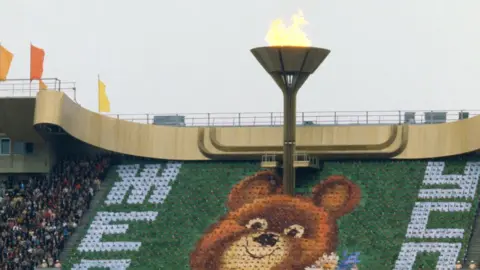
Zeragaber raced in the Moscow Games in 1980 when Eritrea was part of Ethiopia.
The mountainous country, which gained its independence from Ethiopia in 1993, possesses a deep-rooted cycling culture and its riders have increasingly earned international recognition over the past decade.
Those Among the Released
Those released alongside Zeragaber comprise prominent businessmen Tesfalem Mengsteab and Bekure Mebrahtu as well as the Habtemariam brothers - David, an engineer, and Matthews, a geometrist.
A half-dozen high-level police officials and an state security officer were also freed.
The Eritrean government has not issued any statement concerning the releases.
Many of them are in poor health and this could explain why they have been freed now.
Relatives were prohibited to see the prisoners during their detention, the family members reported.
Global Criticism and Prison Conditions
United Nations bodies and human rights groups have long accused the Eritrean government of gross human rights violations, including torture, forced disappearance and the imprisonment of tens of thousands of people in deplorable circumstances.
Mai Serwa prison, located about 9km north-west of the capital city, Asmara, has grown over the years to include 20 metal shipping containers in which prisoners are held incommunicado, according to reports.
Background on Government Control
Over the last three decades, Eritrea has remained a one-party state with no active constitutional framework. It is among the world's most militarized countries, with compulsory national service of unlimited duration.
There has been an absence of independent media since the shutdown of independent newspapers and detention of most of their staff in 2001.
This occurred after the government arrested 15 politicians known as the G-15, along with 16 journalists, after they called for that the president put into effect the draft constitution and hold open elections.
Per rights groups, the status and location of 11 of the politicians, as well as the journalists allegedly having links to the G-15, remain unknown.
Aged 79, the president recently passed 32 years in office and has yet to participate in an election.


